
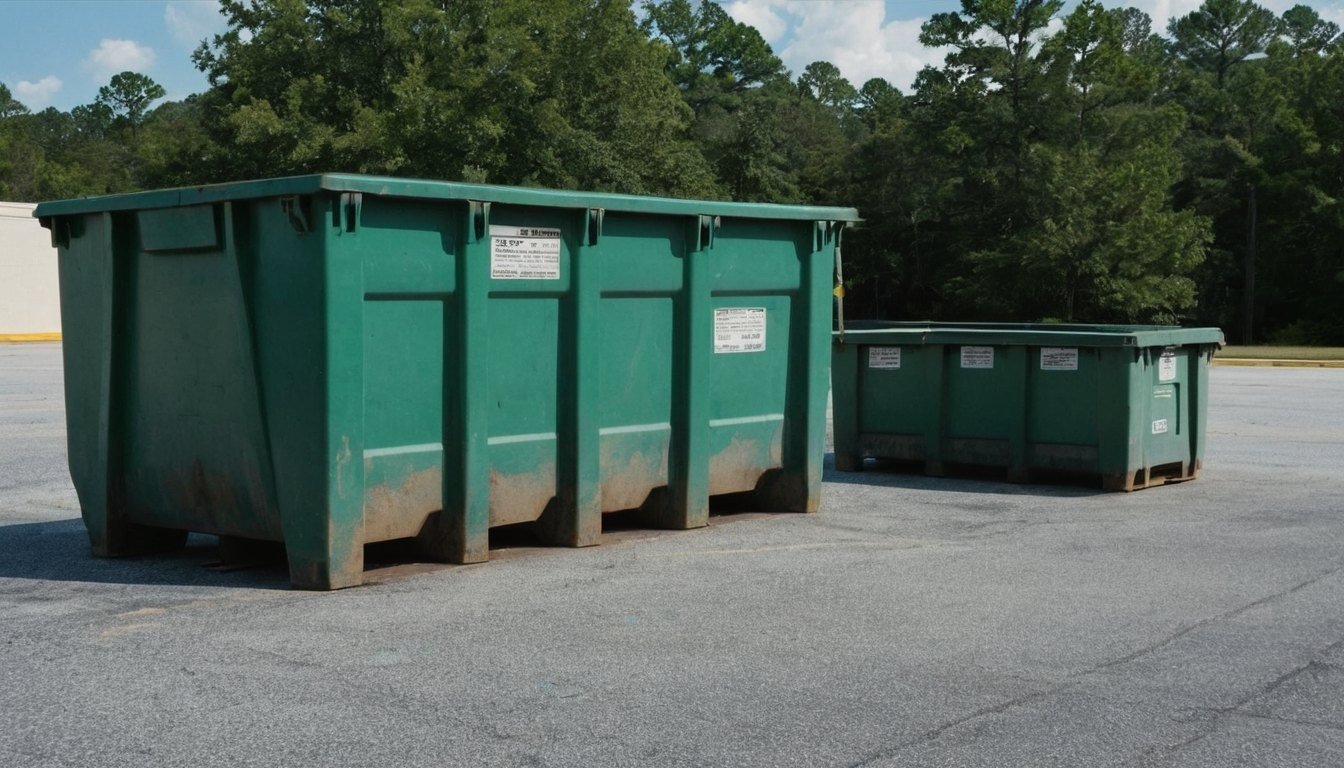
A dumpster is heavy when it is full, and the truck that lifts it is heavier. If the ground under it is thin asphalt or gravel, you get ruts, cracks and a smell that never leaves. A real dumpster pad concrete slab solves all of that.
Concrete Kings builds dumpster pad concrete for shops, restaurants, apartments, churches and farms around Fayetteville. We are locally owned with 5 years of experience, and we give free estimates for each dumpster pad concrete project.
Why dumpster pad concrete beats asphalt
Asphalt is soft in the heat. Leaking trash juice, oil and grease eat at it, and the weight of a full dumpster pushes dents in it all summer. A concrete pad stays hard, resists liquids and is easy to hose down. In Fayetteville, where summer days are long and hot, that matters a lot.
Many towns also require a concrete pad for dumpsters in commercial lots, and some health codes ask for a pad that can be cleaned and that drains to a proper spot. A proper pad keeps you in good standing with landlords and inspectors.
- Handles the weight of full dumpsters and the truck
- Does not soften in the summer heat
- Resists grease, oil and food waste
- Easy to hose down and keep clean
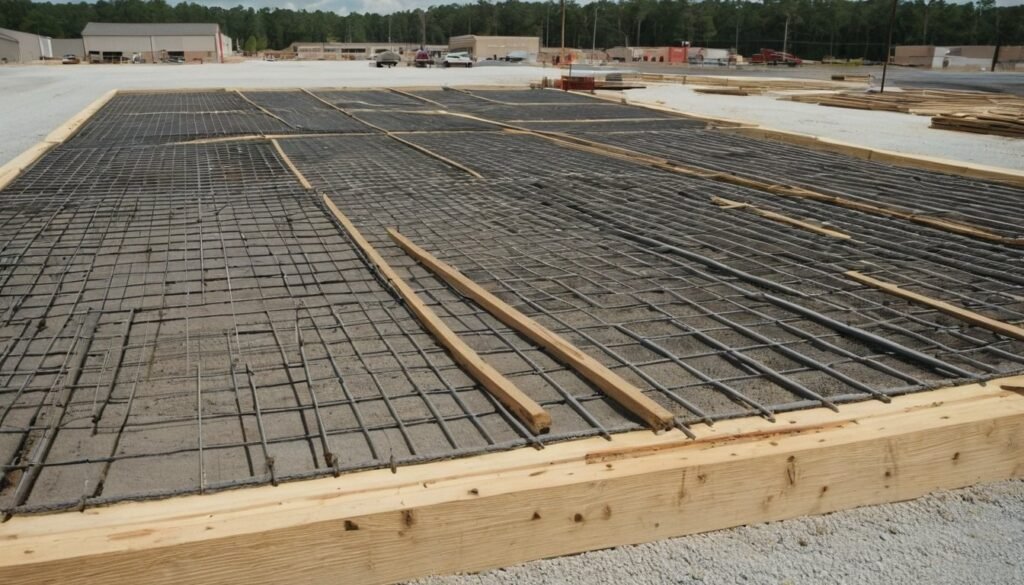
How we build a heavy duty dumpster pad concrete slab
The pad needs to be thick, usually six inches, with steel rebar or heavy mesh. We pack a stone base, because the truck puts big loads on the front edge when it lifts. The pad is larger than the dumpster itself, with extra room in front for the truck wheels, since those wheels roll right up to the pad.
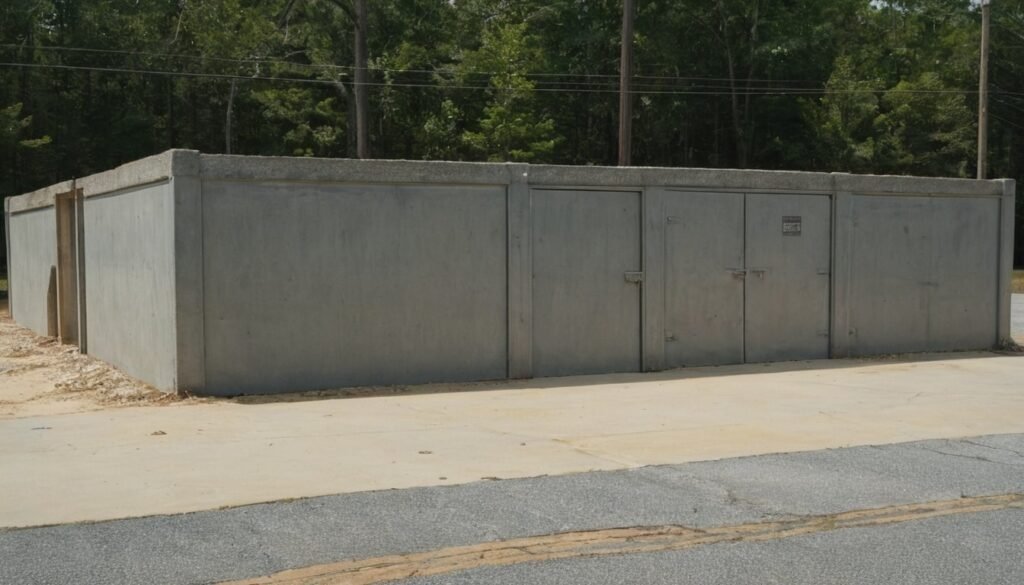
We set the slope so washwater runs to a drain or a safe spot and not into the parking lot. A broom finish helps with grip, and a thick edge protects the corners from being chipped. If you want walls or gates, we can build a block or concrete enclosure around the pad.
- Six inch reinforced slab with a packed base
- Extra length for truck wheels at the front
- Slope and drain planning for wash water
- Optional block walls and gate posts
Planning a dumpster pad on your Fayetteville property
Think about where the truck can turn and back in. Ask your waste company about the size of the dumpster and how much room they need. Check local rules about distance from buildings and property lines. In many places, enclosures need a gate and a screen.
We call 811 before we dig and tell you if approvals might be needed. Planning the spot well saves moving the dumpster later.
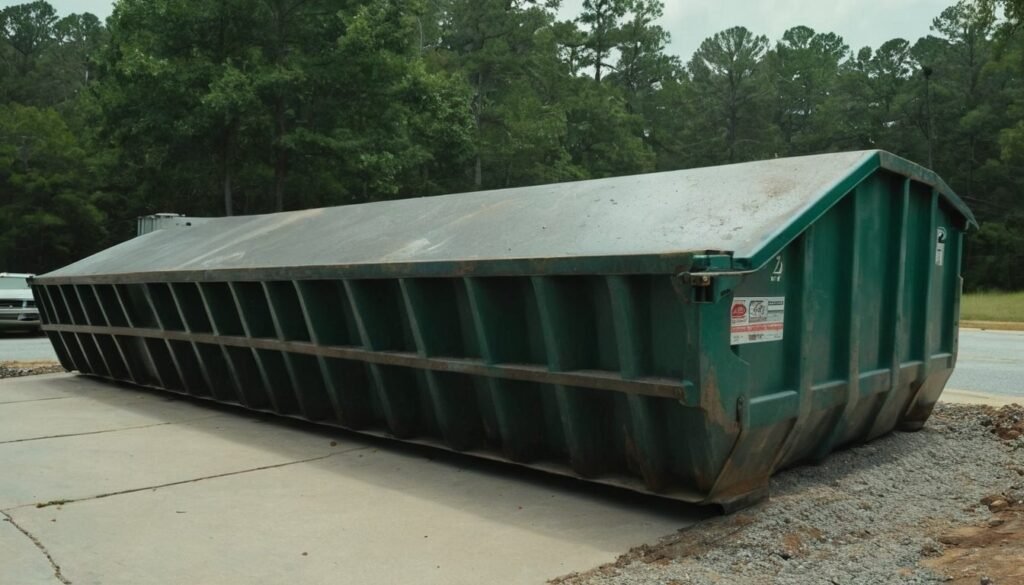
Dumpster pad concrete cost and next steps
Cost depends on size, thickness, base work, drains and any walls or gates. A basic pad can be poured in a day, and trucks should wait a week or more before servicing it. We give a free estimate after we see the site.
Many sites also need curbs or commercial flatwork to match. Reach us through the contact page to set up a visit.
Concrete Dumpster Pads questions answered
How thick should dumpster pad concrete be?
Six inches is the common standard for a commercial dumpster pad, and sometimes more for very heavy loads. A full dumpster can weigh several tons, and the garbage truck adds a lot more weight as it lifts and sets the bin. A thin slab will crack and sink under that pressure. The extra thickness, plus steel rebar or heavy wire mesh, spreads the load and keeps cracks tight.
The base under the slab matters too. We dig out soft soil, add crushed stone and compact it, so the pad cannot settle. The front edge, where the truck's front wheels sit, needs the most strength, so we often make the pad longer in front. Tell us the dumpster size and how often it is serviced, and we will design a dumpster pad concrete slab that handles the work for many years. Share the dumpster size and service day with us at the estimate, and we will plan the dumpster pad concrete job around the real truck and the real route.
How big should the pad be?
Start with the dumpster. A common four or six yard dumpster is about six feet wide and six to seven feet long, and larger bins are bigger. Add at least a foot on each side, and extend the pad in front, where the truck wheels roll up. Most pads end up around ten by twelve feet or larger.
If you plan an enclosure, the pad should extend a little past the walls so the edges are protected. Ask your waste hauler for the dumpster size and how the truck approaches. Some trucks need a straight path of thirty feet or more. We can mark the pad on the ground with paint so you can see it in place. It is much easier to change a mark than a slab, so we always plan the size with you before we pour. If you are unsure how much room the truck needs, call your waste company first. We can wait for their numbers, then size the pad right.
Do dumpster pads need drains?
Many do. Dumpsters leak liquids, and washing the pad creates dirty water. Local rules often say that this water should not run into storm drains, because it carries grease and bacteria. Some sites need the pad sloped toward a sanitary sewer drain, while others just need the water directed away from walkways.
We look at your property and the rules that apply. If a drain is required, we plan it with your plumber and place the pipe before we pour. If not, we slope the pad to one side so washwater runs to a safe place, away from doors and neighbors. A little slope also keeps rain from pooling on the pad. We tell you what we recommend, and we help you ask the right office about requirements before we pour. Ask what the rules are before you pay for a drain. A short call to the office can keep the pad and the plumbing in line the first time.
Can you build an enclosure around the dumpster pad?
Yes. Many properties need a screened area for the dumpster. We build the pad and then add concrete block walls on three sides, with posts and a gate on the fourth. The pad is poured with footings or sleeves so the walls sit on solid concrete and stay straight.
Enclosures keep the dumpster out of sight, hold back blowing trash and protect the bin from being bumped by cars. They also help meet local rules. We can match the block color to your building and add a finished top. If you prefer a simple pad with bollards, we can set steel posts in the slab. Tell us the look and rules you need, and we will plan a design and a price in your free estimate. A simple sketch with the enclosure height and gate width is enough to start. We turn it into a clear price you can compare.
How long before the truck can use the new pad?
Give the new pad at least seven days before a regular service truck rolls onto it, and 28 days before heavy, repeated loads if you can. Concrete gets most of its strength in the first week, but a heavy truck can still leave marks or cracks if it arrives too early. Light foot traffic is fine after a day or so.
If pickup cannot wait, tell us the schedule. We may be able to set up a temporary plan, like a small dumpster or hand pickup for a short time. Hot weather helps the concrete cure a bit faster, and cool or wet weather slows it. We will tell you the exact day when the work is done, and we can coordinate with your waste company so the first pickup happens at a safe time. If your hauler is strict about timing, ask for a letter or a call. We are glad to confirm the cure schedule with them so everyone agrees.
Is a concrete dumpster pad required by law?
It depends on where you are and the kind of property. Many cities and counties require commercial dumpsters to sit on a concrete pad, and some require an enclosure and a gate. Apartment complexes, restaurants and shopping centers often have extra rules. Some landlords and property managers also require a pad in the lease.
We suggest asking your planning office, your landlord or your insurance company what applies to your site. If you are building new, the site plan often lists the exact pad size and location. We read the plan with you and pour the dumpster pad concrete slab to match. If you are replacing a bad pad, we can improve the design for strength and drainage. Either way, doing it right protects your property and avoids costly fixes. If you are renting, keep a copy of the lease language on pads and enclosures. We can match the work to what the owner requires.
Ready for a free estimate? Call (910) 356-9849 or use the estimate form. Concrete Kings of Fayetteville is locally owned and has 5 years of experience.