
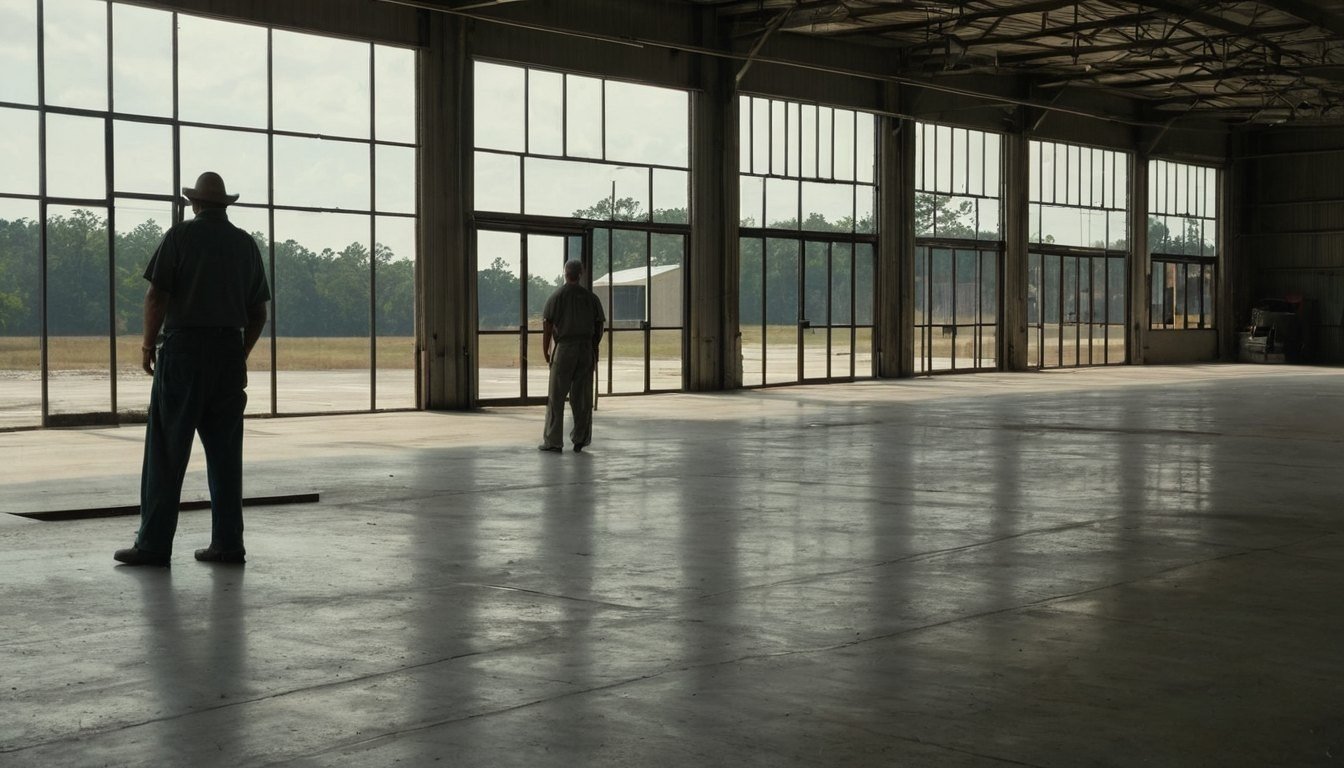
A dirt floor in a shop turns to mud in the rain and dust in the summer. A thin floor cracks under a truck lift. A good shop concrete floor changes everything. It is flat for rolling tool chests, strong for lifts and tractors, and easy to sweep clean.
Concrete Kings pours shop concrete floors in garages, metal buildings, workshops and barns around Fayetteville and the farm country north of it. We are locally owned with 5 years of experience, and we give free estimates for every floor.
What a good shop concrete floor needs
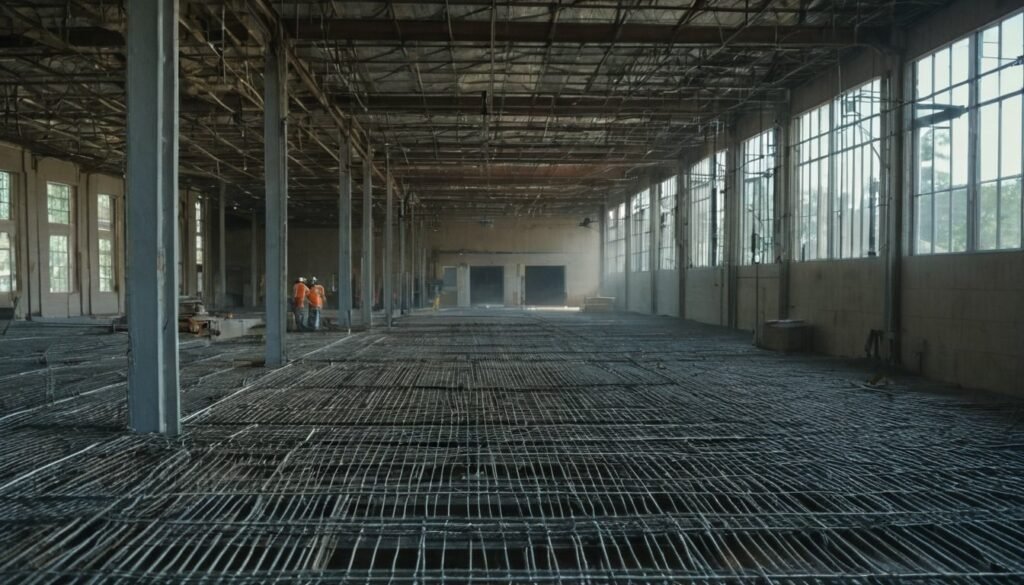
A strong shop floor begins under the slab. We grade the ground, add and pack crushed stone and lay a plastic vapor barrier so moisture does not rise through the concrete. Then we place steel rebar or heavy mesh, and sometimes fibers, to control cracking.
Thickness depends on use. A workshop with cars and tools is fine at four to five inches. A shop with a heavy lift, a tractor or loaded trucks needs six inches or more. Tell us what rolls across the floor and what sits on it, and we will size the slab for it.
- Compacted stone base and a vapor barrier
- Steel or fiber for crack control
- Four to six inches or more for heavy use
- Joints cut at the right time to guide cracks
Finishes for shop and barn floors
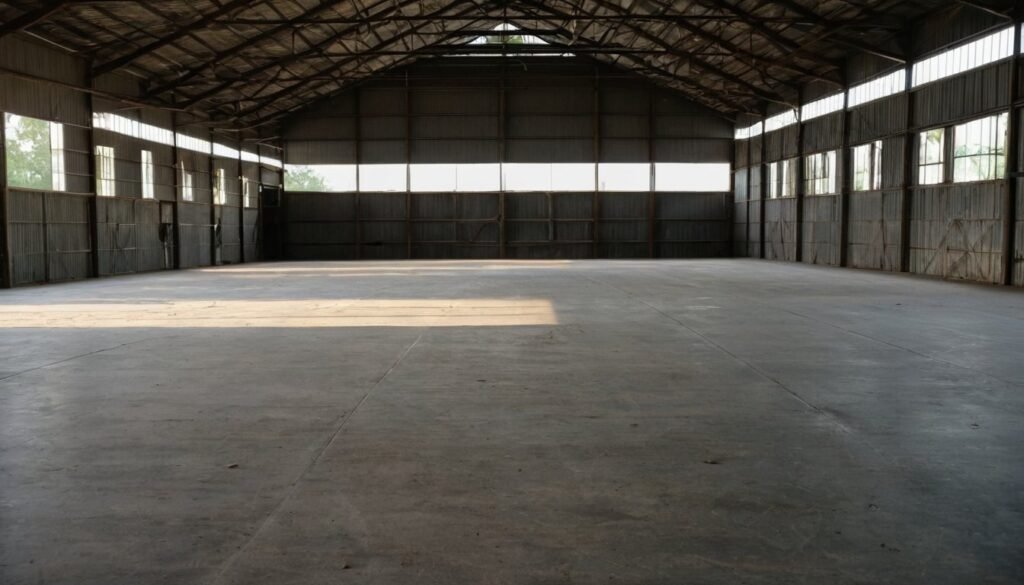
Most shop floors get a hard steel trowel finish, which is smooth and dense and easy to clean. If the floor will get wet or sit in a barn, a light broom finish adds grip. Some owners want a sealed floor that resists oil, antifreeze and tire marks. A good sealer or hardener makes the surface tough and keeps dust down.
In a barn, drainage matters. Floors can slope toward a drain or a door so washwater leaves. Rough areas near gates may need extra thickness at the edge to protect against hooves and tires.
Shop concrete floor planning in farm and rural areas
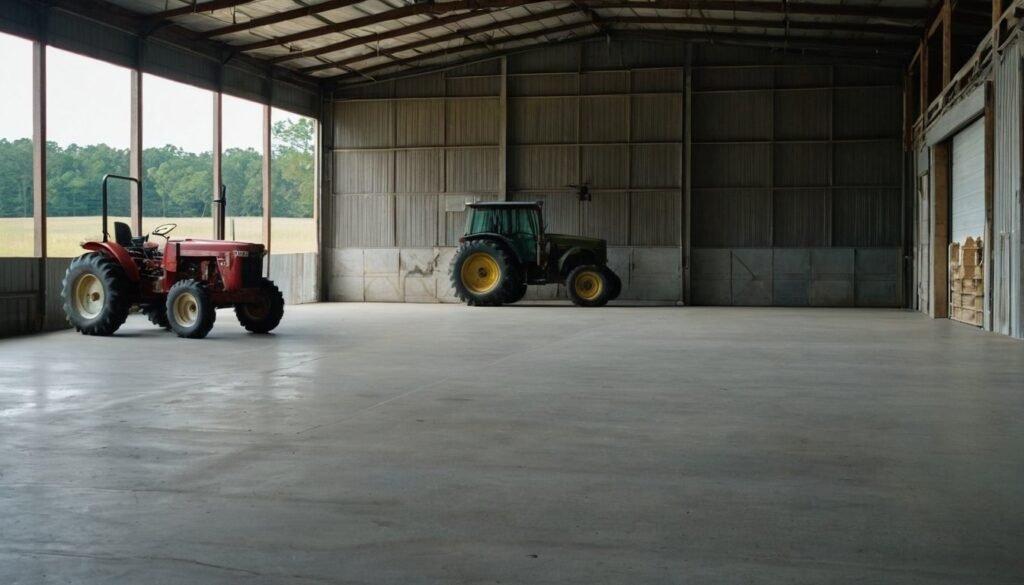
North of Fayetteville, many shops and barns sit on sandy loam or clay fill on open land. We check how water moves, and we raise the building pad a little if the area holds water. Roll up doors need clean thresholds, and floor slopes should match the door sill so water stays outside.
If your building is already up, we can pour the floor inside it with small equipment. If it is not, we can coordinate with your building crew so footings, anchor bolts and the floor all line up.
- Pour inside an existing metal building
- Match the slab height to door sills
- Add drains, sump spots or floor slope when needed
- Coordinate with the building crew on a new build
Cost and timing for a shop concrete floor
Price depends on the size, the thickness, the steel, the finish and how easy it is to get a truck inside. A normal two car shop can often be done in one pour day, followed by about seven days of cure before heavy items move in. Full strength takes four weeks.
We can also add a sealer, or pour an outside RV pad or apron in front of the doors. For a free estimate, use the contact page.
Shop and Barn Concrete Floors questions answered
How thick should a shop concrete floor be?
For a hobby shop or home garage with cars, tools and a workbench, four to five inches is common. If you use a car lift, a heavy press, a tractor, or park a loaded truck inside, we suggest six inches or more, with steel to match. The load under each wheel or lift post matters more than the total weight in the building.
A great floor is more than thickness. The base needs to be compacted stone, and the soil should be firm. We often add a vapor barrier under the slab to block moisture. Steel rebar or fibers help keep cracks tight. If your lift maker lists a minimum slab thickness and strength, we follow it. A properly planned shop concrete floor will carry your equipment for decades, and it will stay flat enough for rolling tool chests and jacks.
Tell us what you plan to put on the floor, and we will design for it. If you are still deciding on a lift, wait for the specs and share them with us. A small change in the lift design can change the slab we should pour.
What is the best finish for a shop floor?
A hard steel trowel finish is the most popular choice for indoor shop floors. It makes a dense, smooth surface that is easy to sweep, easy to wipe, and tough against tires and tools. It also gives a nice base for sealers, epoxy or hardeners later. If your shop floor will often be wet, such as when you wash vehicles or animals, a light broom texture adds safety.
In barns, many people choose a broom finish, because hooves and boots need grip. We can slope the floor toward a drain or a door so water leaves quickly. If you want a fancier look, we can add color or a sealer, and we can saw cut a pattern. Let us know how you use the space, and we will pick a finish that stays safe and easy to clean. A short call before you buy a sealer is a good idea. Some work better on a trowel finish, and some are made for a broom texture.
Will my shop floor crack?
Almost all concrete cracks a little, and that is normal. The goal is to control where it cracks and keep the cracks tight. We do that with a good base, steel or fiber reinforcement, and control joints, which are shallow saw cuts placed in a grid. The joints give the concrete a weak line to crack along, so it breaks in a straight, hidden line instead of a random zigzag.
We cut the joints at the right time, usually the next morning, before the slab can crack on its own. We also cure the concrete well, because fast drying in summer heat is a major cause of cracking. If a crack does show up later, small ones can be filled with a flexible sealant. We will explain what to expect and how to care for the floor when we finish. Walk the building with us and note any low spots near the doors. We can shape the floor so water stays outside where it belongs.
Can you pour a floor inside an existing metal building?
Yes. Many of our shop floor jobs are inside buildings that are already up. We use smaller equipment, a concrete pump or a wheelbarrow route, depending on the door size. We protect the walls, set forms at the edges and pour in sections if needed. We have to plan for the doors, the footings and any anchor bolts that are already in place.
For best results, tell us the door sizes and the clearances before we come. If the ground inside is low, we bring in stone and compact it to make a solid base. If the building has a perimeter footing, we tie the slab to it as the design allows. We can also add anchor points for lifts, benches and equipment while we are there. Ask for a free estimate, and we will walk through the plan. Show us the layout of your benches, lifts and large tools. We can place joints and thicker spots so the slab and the equipment work together.
How do I keep oil and chemicals from staining the floor?
The best way is to seal it. A good sealer or hardener fills the pores in the concrete, so oil, grease, antifreeze and brake fluid sit on top, and you can wipe them away. Without a sealer, those liquids soak in and leave dark spots that do not come out.
We can apply a penetrating sealer, a film forming sealer or a heavier epoxy or polyurethane, depending on your needs. Clean up spills fast, and use a degreaser for older stains. Avoid strong acids, which can eat the surface. Keep a drip pan under leaky engines, and keep floor mats near work areas. A shop concrete floor that is sealed once and cared for is easy to maintain, and it still looks decent after many years of real use. Make a list of what spills in your shop. We can recommend a sealer for each kind of liquid, so cleanup stays easy for years.
How long before I can move equipment into the new floor?
You can usually walk on it after a day or two. Light tool chests and shop equipment can go in after about seven days. Wait about 28 days before you set heavy lifts, big presses or loaded trucks, because the concrete is still gaining strength in the first month.
If you must move something sooner, tell us. In some cases, we can use a stronger mix or adjust the schedule so more of the floor is ready sooner. Weather matters too. Hot, dry days speed the cure, while cool, damp days slow it. We tell you exactly when the floor is ready for each stage, and we leave care instructions so the slab keeps its strength and its looks. Patience in the first month pays off for decades of hard use. If you will use the floor in stages, tell us. A short schedule can protect your floor while still letting you get back to work.
Ready for a free estimate? Call (910) 356-9849 or use the estimate form. Concrete Kings of Fayetteville is locally owned and has 5 years of experience.