
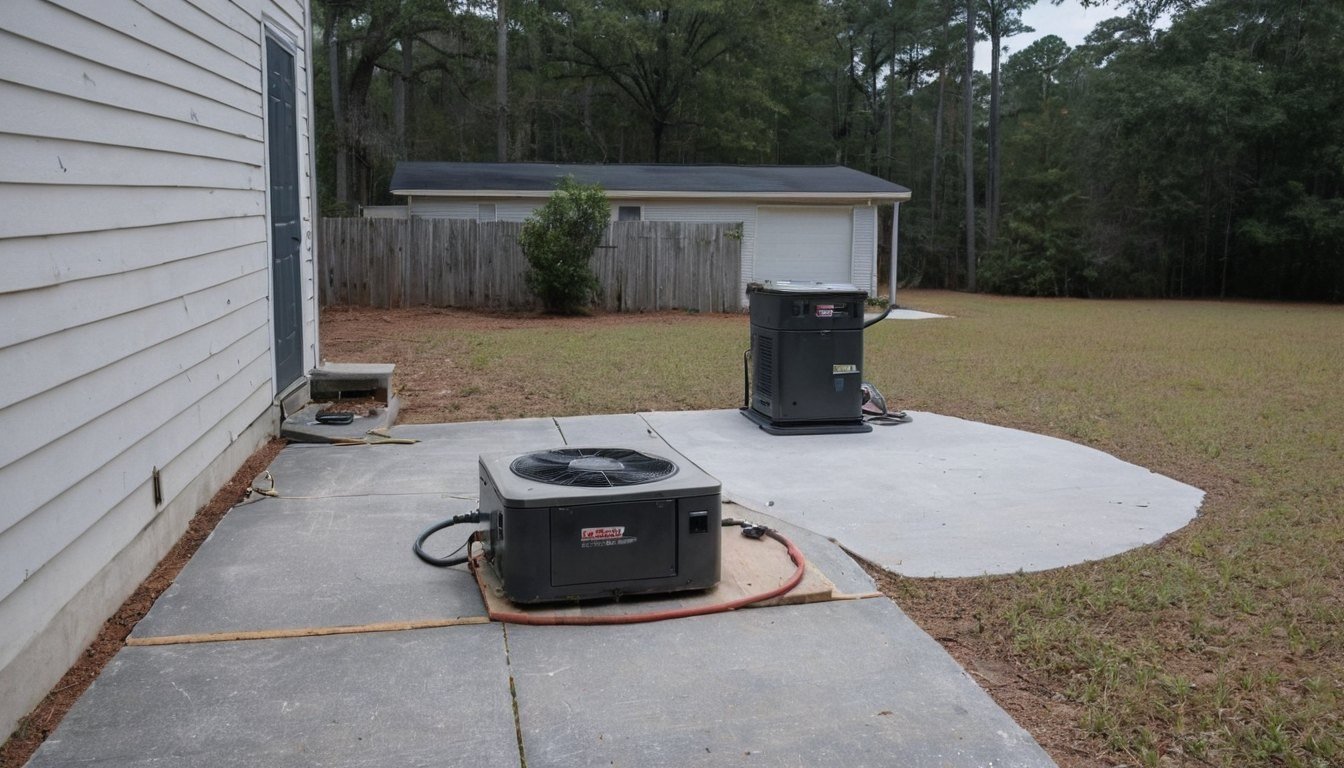
When a storm knocks out the power, you want your generator to start and keep running. That starts with the ground it sits on. A generator pad concrete slab keeps the machine level, dry and out of the dirt, and it keeps vibration from rattling it loose.
Concrete Kings pours generator pad concrete and air conditioner pads for homes around Fayetteville. We are locally owned, we have 5 years of experience, and we give free estimates for every pad.
Why a standby generator needs a concrete pad
Whole house generators are heavy, and they shake when they run. A pad made of gravel or pavers can shift, sink or tilt over time. A generator pad concrete slab stays flat and keeps the unit steady. It also lifts the generator above splashing rain and mud, which helps it last longer.
Most makers and local inspectors want the unit on a level, noncombustible pad. In hurricane country like ours, that matters. Many Fayetteville homeowners add a generator after a bad storm, and a good pad makes the install go faster.
- Level surface that keeps the engine steady
- Noncombustible base that meets most install rules
- Raised above mud and standing rain
- Room to open panels for service
How we build generator pad concrete
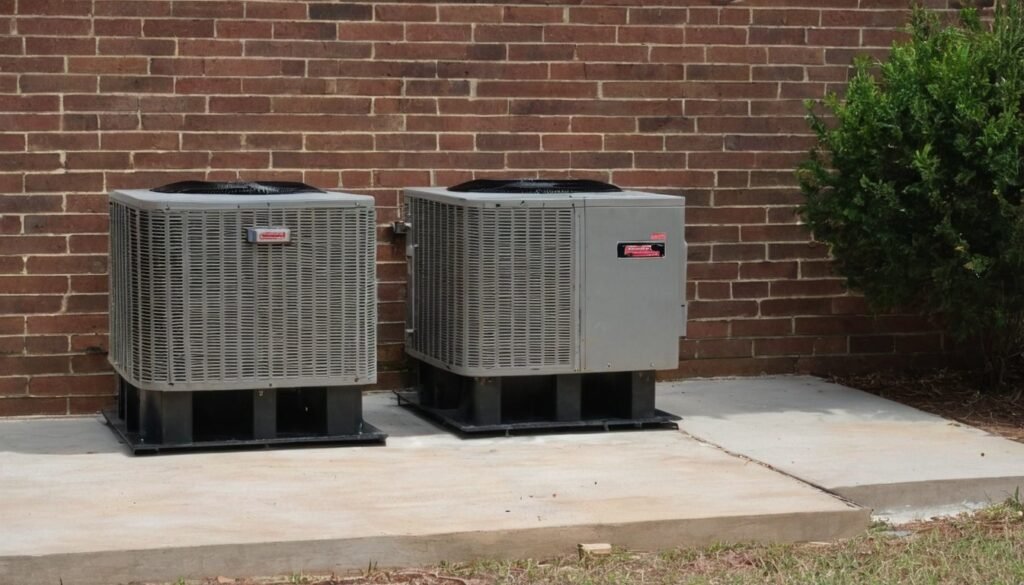
We follow the maker's size chart. A typical pad is a little bigger than the generator, with room on the service side. We dig out the spot, pack a stone base and set forms. The slab is four inches thick for most units, and thicker for larger ones. We finish the top flat and smooth enough to set the unit on, with a slight tilt for drainage.
If your installer needs conduit or a gas line to pass through the slab, we can place sleeves before we pour. That keeps from cutting the concrete later. We also keep the slab clear of any buried lines by calling 811 first.
- Pad sized to the maker's instructions
- Packed base and a four inch or thicker slab
- Sleeves for conduit and gas lines when planned
- A flat finish with a slight slope for rain
AC, heat pump and equipment pads
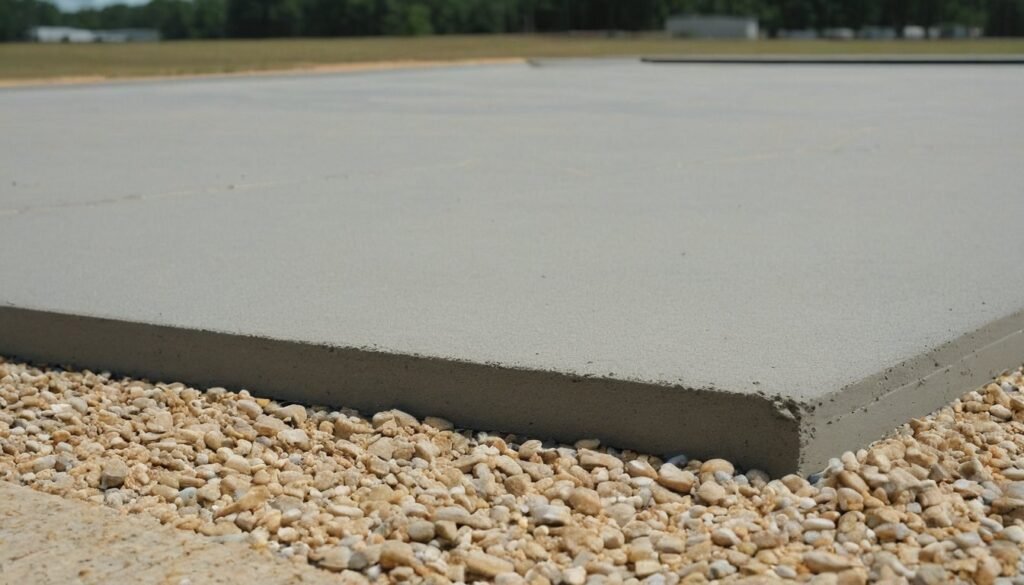
The same idea works for heat pumps, air conditioner condensers and pool equipment. A concrete pad keeps the unit level so the compressor works well, and it keeps grass and weeds from growing into the fins. Some people use plastic pads, but concrete lasts longer and stays put.
We can pour small pads quickly, often in a single visit, and we can match the finish to your sidewalk or driveway.
Cost, timing and planning your generator pad concrete
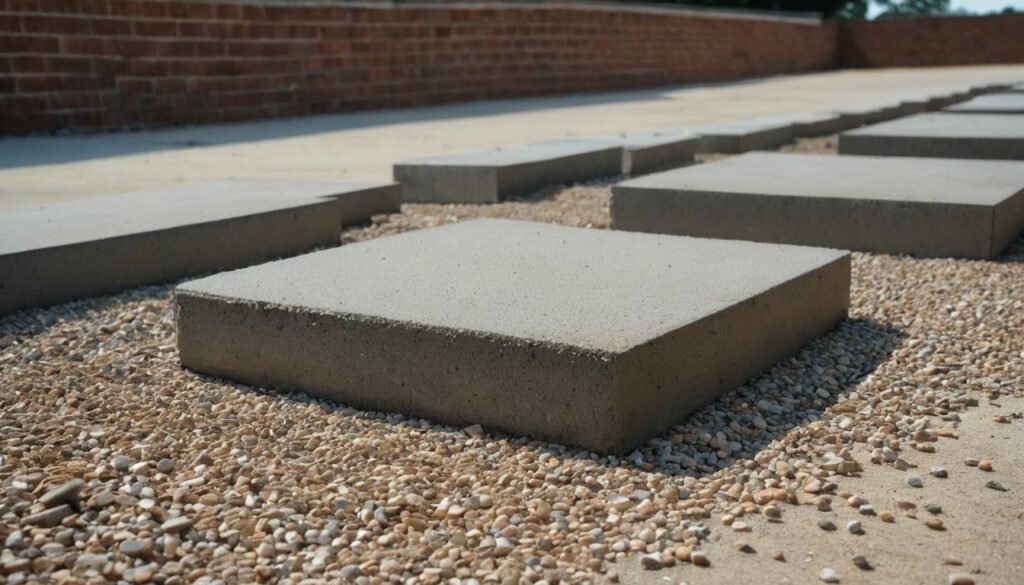
Small pads are among the most affordable concrete jobs we do. Price depends on the size, the digging and how easy it is to reach the spot. Most pads can be poured in a day and are ready for the unit in about seven days.
Call us before the generator is delivered so we can match the size and place any sleeves. You might also like a concrete stoop or a shed slab in the same visit. Ask for a free estimate on the contact page.
Generator and AC Pad Concrete questions answered
How big should a generator pad concrete slab be?
The right size comes from your generator maker. Check the install manual or ask your installer for the footprint. Most home standby units need a pad that is a few inches bigger than the unit on every side, plus clear space on the service side for opening panels and doing maintenance. A common pad is about three feet by five feet, but larger whole house units need more room.
Building codes and the maker's rules also set minimum distances from windows, doors and your home wall. We read those instructions with you before we set the forms. It is better to make the pad a little larger than to cut it short. Tell us the model or send us the spec sheet, and we will plan the generator pad concrete slab so it fits the unit and passes inspection on the first try. If your model is not chosen yet, call us before you buy. We can tell you what space the common brands need, so the generator pad concrete slab is not too small.
How thick should the pad be?
Four inches is the standard thickness for most home generators and air conditioner pads, resting on a packed gravel base. If your unit is very heavy, or if the ground is soft, we may pour five or six inches and add steel. Thick enough matters, but a good base matters even more. We dig out loose soil, add crushed stone and compact it so the slab cannot settle.
The pad should be flat and sloped just a little for rain. We finish the top with a light broom texture so water can run off and the surface does not get slippery. If your generator maker lists a minimum thickness or strength, we follow it. Good generator pad concrete should last as long as the generator and never tilt or crack out of level. A level pad also helps the engine oil settle right, and that helps the unit start when you need it most during a long outage.
Do I need a permit for a generator pad?
The pad itself may not need a permit, but the generator install usually does. The city of Fayetteville, Cumberland County and surrounding counties require permits for electrical and gas work, and inspectors check the pad location and the distance from the house. Your installer normally pulls those permits.
Before we pour, ask your installer where the unit should sit, and what distances they need from windows, vents and property lines. We can then build the generator pad concrete slab in the right place the first time. Moving a slab later costs more. We also have underground utilities marked through 811, which is a free call. If you are not sure whom to ask, we can point you in the right direction at your estimate. Ask your installer to mark the exact spot before we arrive. A few minutes of planning on site keeps the pad, the gas line and the panel lined up the first time.
How long before the generator can be placed on the pad?
Wait about seven days before setting a standby generator on a new pad. Concrete is strong enough by then to hold most home units, but it keeps getting stronger for 28 days. A heavy generator set too soon can chip the edges or settle the slab.
If your installer is scheduled soon, tell us when they plan to come. We can pour earlier or adjust the plan. In summer heat, concrete cures a bit faster, and in cool or wet weather it can take longer. We will tell you when the pad is ready when we finish. If you are in a hurry before storm season, call us, and we will do what we can to get the pad poured and cured in time. If the storm season is close, tell us right away. We will do our best to fit your small pad into the schedule so the install is not delayed.
Can you pour a pad for my heat pump or AC unit?
Yes. We pour small equipment pads for air conditioners, heat pumps, pool pumps and water treatment units. They are usually three to four inches thick and sized to the base of the unit, with a little extra around the edge. A concrete pad keeps the equipment level and off the wet ground, which helps it run well and last longer.
We pour them in a visit, and we can leave a gap for refrigerant lines or conduit if your installer needs it. If your old pad is cracked or sinking, we can remove it and pour a new one. Many homeowners combine a generator and an AC pad in one pour, with a small walkway between. Ask us at your free estimate, and we will measure for each piece of equipment. Small pads are quick, so there is no reason to skip one. A level base protects a unit that often costs thousands of dollars.
What finish is best for a generator pad?
A light broom finish is the best choice. It gives a little grip for service technicians and keeps water from sheeting across a slick surface. We avoid a glossy trowel finish, because it gets slippery when wet and shows every footprint. We also round the edges slightly so they do not chip.
Color is optional, but a simple gray pad blends in with most homes. If you want it to match your patio or walkway, we can tint the concrete or add a border. Some customers like to seal the pad so oil and dirt wipe away. The most important thing is that it is flat and level. A well made generator pad concrete slab is not fancy, and it does not need to be. It just needs to be right. If you want a clean look, we can match the edge and the color to your walkway so the pad looks like part of the yard.
Ready for a free estimate? Call (910) 356-9849 or use the estimate form. Concrete Kings of Fayetteville is locally owned and has 5 years of experience.